Products

Industrial Fuels, Solvents & Hydrocarbon Products

Our Products

Carbon Black Feedstock Oil (CBFS)

Carbon Black Feedstock Oil (CBFS)

Carbon Black Feedstock Oil (CBFS) is a heavy, aromatic-rich petroleum oil used primarily as a raw material for manufacturing carbon black. It is obtained from selected refinery streams, including clarified oils from catalytic cracking operations. Typically dark brown to black, its composition and properties depend on the refinery source and supplied grade. During carbon black production, the feedstock undergoes controlled thermal conversion in a reactor to produce fine carbon particles. The resulting carbon black is widely used as a reinforcing material in tyres and industrial rubber products, and as a black pigment in plastics, printing inks and coatings. Aromaticity is an important factor in feedstock selection. The Bureau of Mines Correlation Index (BMCI) is commonly used as an indicator of aromatic character and potential carbon black yield. Higher-BMCI grades are generally preferred for carbon black manufacturing, although sulphur, impurities and processing conditions also influence suitability. Industry usage Carbon Black Manufacturing: CBFS is used as a primary feedstock to produce carbon black through controlled thermal conversion. Tyre & Rubber Products: Carbon black manufactured from CBFS is used to reinforce tyres, conveyor belts, hoses, seals and other rubber products. Feedstock for Petrochemical Processes : Used in specialized chemical industries for extracting aromatic compounds.  
MTO Cut Solvent

MTO Cut Solvent

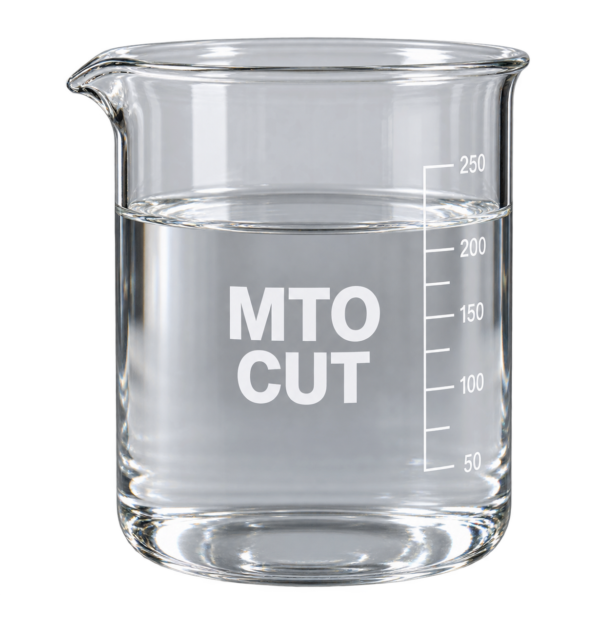
MTO Cut is a petroleum-derived hydrocarbon solvent supplied for thinning, formulation and cleaning applications. Typically clear and water-white, it is related to mineral turpentine oil, also known as white spirit or mineral spirits. The term “cut” describes a selected petroleum fraction whose boiling range and composition depend on the supplied grade. MTO Cut is used in compatible solvent-based paints, varnishes, coatings and selected adhesive formulations. It helps dissolve suitable resins, adjust viscosity and improve application consistency. It can also be used for cleaning tools and removing oil or grease from compatible surfaces.   Industy using it : Paints and Coatings: Thins compatible solvent-based paints, enamels and primers and adjusts application viscosity.  Wood Finishing: Used in suitable varnishes, wood stains and protective finishes.  Adhesives and Sealants : Serves as a solvent or diluent in selected resin-based formulations. Cleaning Product Manufacturing : Used in formulated degreasers, solvent cleaners and selected household maintenance products.

C9 Plus Solvent

C9 Plus Solvent

C9 Plus Solvent is a petroleum-derived aromatic hydrocarbon fraction used in industrial applications requiring effective solvency and compatibility with selected resins and binders. Its composition and boiling range depend on the manufacturer and grade, making product specifications important when selecting it for a particular formulation. C9 Plus can serve as a solvent or blending component in compatible paints, coatings, printing inks, adhesives and chemical formulations. It helps dissolve selected ingredients and adjust viscosity, supporting mixing and application. Its evaporation behaviour influences drying time and should be matched to the requirements of the finished product. Industry Using it : Oilfield & Chemicals : Used as solvent and intermediate in specialty chemicals, cleaning, and degreasing. Adhesives & Sealants : Acts as a solvent for selected resin and rubber-based formulations, helping control consistency and application. Printing Inks : Supports binder dissolution and viscosity adjustment in compatible solvent-based inks.

Mixed Oil

Mixed Oil

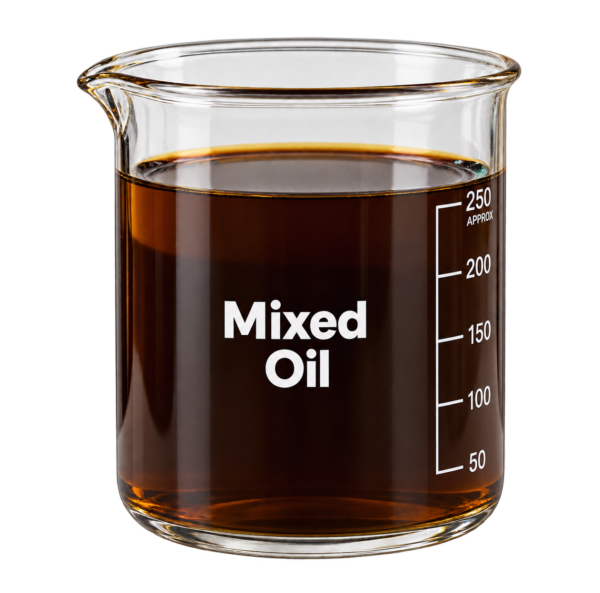
Mixed Oil is a liquid hydrocarbon product formed by combining different oil streams or recovered hydrocarbon materials. Depending on its source, it may contain petroleum-derived oils, processed recovered oils or pyrolysis-derived components. Its colour, viscosity and composition vary according to the materials used and the treatment applied. Mixed Oil may contain a combination of petroleum-derived or recovered hydrocarbon streams. Its properties vary with the feedstock, blending proportions and treatment process. Depending on the supplied grade, settling, filtration or other processing may be required to reduce water and suspended impurities before use.   Industries we serve : Steel & Metallurgy: Fuel-grade Mixed Oil can provide heat in compatible furnaces for metal reheating, forging and selected heat-treatment processes. Paper & Pulp: Mixed Oil can fuel compatible boilers that generate steam for paper drying and other production operations. Road Construction: Mixed Oil can fuel compatible hot-mix plant burners for aggregate heating and drying. Ceramics & Tiles: Mixed Oil supplies heat in compatible kilns and dryers for ceramic firing and material drying. Textiles: Mixed Oil c an fuel boilers and thermic-fluid heaters that support dyeing, fabric processing and drying. Cement Manufacturing: Mixed Oil can fuel suitable kilns and dryers where its composition meets the plant’s fuel requirements.

Fuel Oil

Fuel Oil

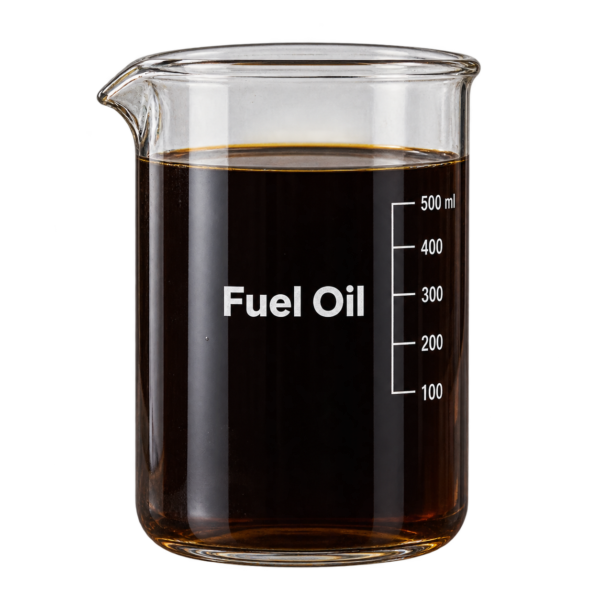
Fuel Oil is a petroleum-derived liquid fuel obtained from crude oil refining, either as a distillate, a residual fraction, or a blend of both. It is widely used to generate heat in industrial boilers, furnaces, kilns and process heaters. Suitable grades are also used in marine engines and stationary power-generation systems designed for these fuels. Fuel Oil is particularly suitable for operations where stable combustion, consistent heat generation and cost-effective fuel consumption are important. Its high energy content, controlled viscosity and reliable combustion characteristics make it suitable for a broad range of heating and process applications.   Industry using it : Industrial Boilers & Furnaces : Used as a primary fuel for generating heat in large industrial boilers, kilns, and furnaces. Power Generation : Employed in thermal power plants and diesel generators to produce electricity efficiently and reliably. Heating Systems : Utilized in industrial and commercial heating systems for maintaining optimal process temperatures. Metal Processing : Applied in metal melting, forging, and heat treatment operations requiring consistent high-temperature output. Construction & Roadwork : Used in bitumen heating, asphalt mixing plants, and other construction-related thermal applications.

Furnace Oil (FO)

Furnace Oil (FO)

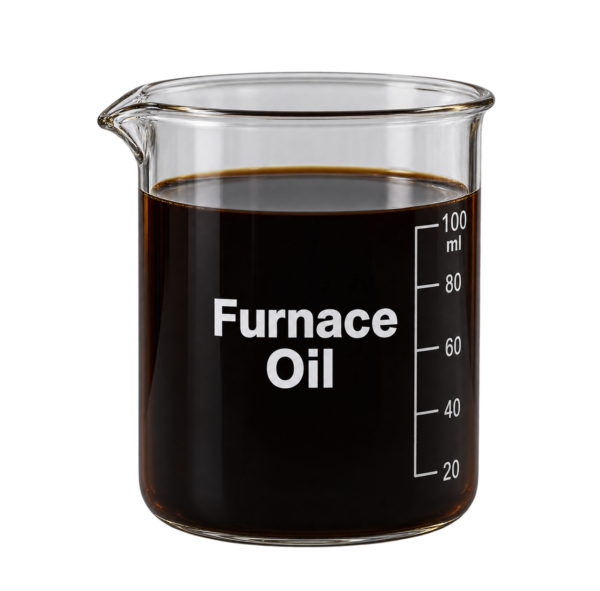
Furnace Oil is a heavy, viscous petroleum fuel produced from residual fractions of crude oil refining, sometimes blended to meet specific fuel-grade requirements. Its high calorific value makes it a practical energy source for industrial operations requiring sustained heat and steam generation. Widely used in industries such as steel, cement, ceramics, chemicals, textiles and paper manufacturing, Furnace Oil fuels compatible boilers, furnaces, kilns, dryers and thermic-fluid heaters. Suitable grades are also used in power-generation systems specifically designed for residual fuels. Its economic suitability depends on fuel prices, consumption and the plant’s handling and operating requirements. Because of its viscosity, Furnace Oil generally requires heated storage and preheating before combustion to support smooth pumping and effective atomisation. Appropriate filtration, temperature control and burner maintenance help achieve stable combustion and efficient heat transfer. Key quality parameters include viscosity, density, calorific value, flash point, sulphur, water, ash and sediment content. Selecting the correct grade and maintaining suitable combustion conditions support dependable performance, while sulphur content and emission-control systems influence the plant’s environmental performance.   Industry using it Metallurgical Industry : Provides controlled heat for melting, forging, and metal treatment operations. Marine Fuel : Commonly used in ships as bunker Steel & Metallurgy: Furnace Oil fuels compatible furnaces for metal reheating, forging and heat-treatment processes. Ceramics & Tiles: Furnace Oil is used in compatible kilns and dryers for firing and drying ceramic products. Petroleum Refineries: Furnace Oil provides heat in compatible process furnaces, heaters and utility boilers. Food Processing: Furnace Oil is used in suitable boilers and indirect heating systems for steam generation, cooking and drying.

10PPM

10PPM

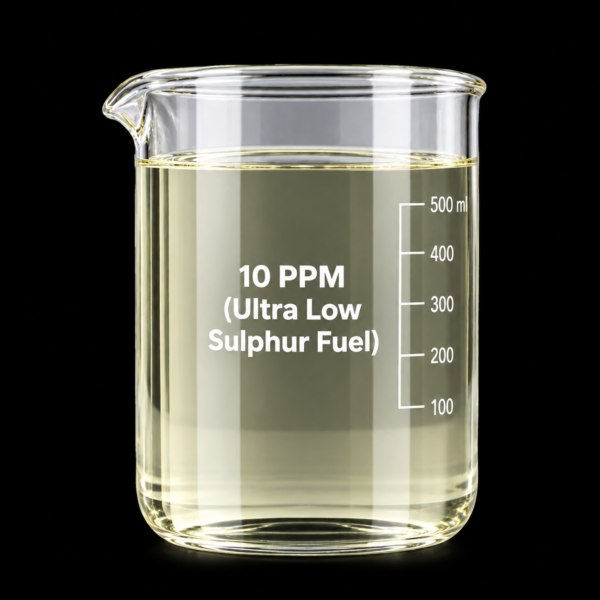
10 PPM Mixed Hydrocarbon Oil is a low-sulphur liquid hydrocarbon fuel supplied for suitable industrial heating applications. The designation “10 PPM” refers to a maximum sulphur content of 10 milligrams per kilogram, equivalent to 0.001% by mass, which should be verified through batch testing. Its low sulphur content helps reduce sulphur oxide emissions compared with higher-sulphur fuels. Overall combustion efficiency and emissions also depend on the fuel’s composition, burner design, maintenance and operating conditions. Industries we serve with 10ppm   Metal & Engineering: It provides heat in compatible furnaces for metal treatment and component processing. Pharmaceuticals: It supports steam generation for sterilisation, equipment cleaning and controlled process heating. Textiles: 10 PPM oil fuels compatible boilers and thermic-fluid heaters for dyeing, fabric processing and drying Rubber Manufacturing: It provides steam and indirect heat for rubber curing, vulcanisation and related processes.    

MHO

MHO

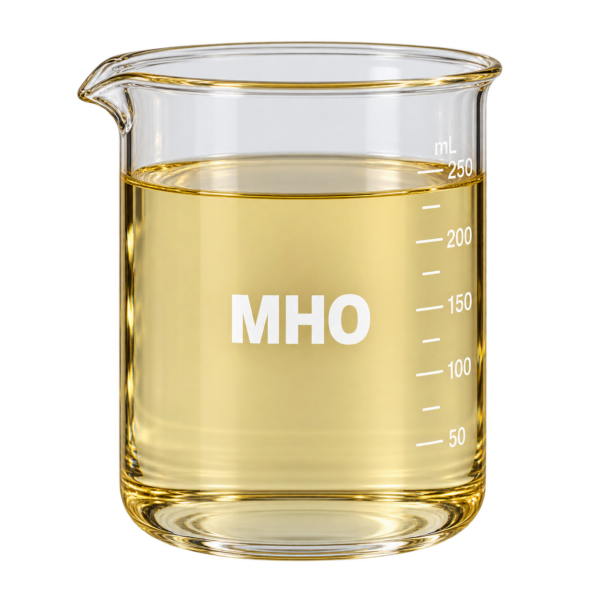
Mineral Hydrocarbon Oil (MHO) is a petroleum-derived liquid consisting of a mixture of hydrocarbons. Depending on the supplied grade, it may be used as an industrial fuel, process oil or blending component. Its appearance, viscosity and composition vary with the refinery source and processing method.   Industries using it : Metal & Engineering: MHO fuels suitable furnaces for metal reheating, component heating and selected heat-treatment processes. Pharmaceuticals: MHO fuels suitable utility boilers for steam generation, cleaning and indirect process heating. Road Construction: MHO can fuel compatible hot-mix plant burners for aggregate heating and drying. Chemical Manufacturing: MHO supplies heat through suitable boilers and process heaters for steam generation and chemical processing. Paper & Packaging: MHO provides steam and process heat for paper drying and related manufacturing operations.